You Won’t Believe What I Found Wandering Through Pamukkale’s Protected Wonders
Wandering through Pamukkale feels like stepping into a dream carved by nature and time. I never expected to find such surreal beauty—white travertine terraces glowing under the sun, warm mineral waters flowing like silk, and ancient ruins watching silently from above. This isn’t just a destination; it’s a protected sanctuary where nature and history coexist. What makes this place truly special is how carefully it’s preserved, allowing us to walk gently through its magic. The air carries a soft mist, the ground beneath your feet is warm and textured, and the silence is broken only by the quiet trickle of water. Unlike crowded tourist spots where authenticity fades under foot traffic, Pamukkale remains untouched in spirit, protected by thoughtful conservation that ensures every visitor steps into the same awe-inspiring scene that has drawn people for millennia.
First Encounter: The Moment Pamukkale Took My Breath Away
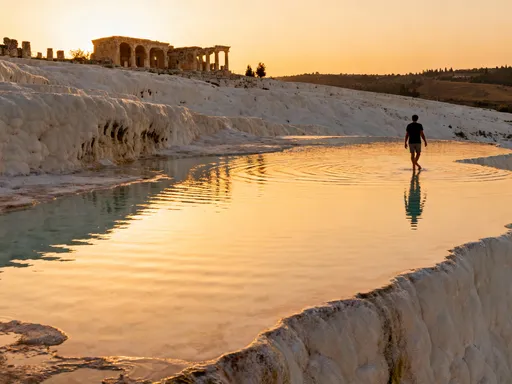
The first glimpse of Pamukkale is unforgettable. As you approach the edge of the plateau, the landscape unfolds like a vision from another world. Rows of milky-white terraces cascade down the hillside, filled with shimmering turquoise water that catches the sunlight in delicate ripples. The contrast between the chalky formations and the deep blue sky creates a surreal palette, one that feels almost too perfect to be natural. There’s a stillness in the air, a reverence, as if the land itself knows how extraordinary it is. Visitors pause at the entrance, cameras raised, but many simply stand in silence, absorbing the scale and beauty of what lies before them.
What sets Pamukkale apart from other geological wonders is not just its appearance, but the way it engages all the senses. The warmth radiating from the mineral-rich water can be felt before you even step onto the travertines. The sound of gentle flowing water follows you along the pathways, a soothing background rhythm that enhances the sense of peace. The texture underfoot—smooth in some places, slightly rough in others—adds a tactile dimension that makes the experience deeply personal. Unlike static landscapes viewed from a distance, Pamukkale invites interaction, yet it does so without sacrificing its integrity.
This balance is made possible by its status as a protected natural site. Designated as a UNESCO World Heritage Site in 1988, Pamukkale is managed with strict guidelines to prevent environmental degradation. Visitor numbers are monitored, access is regulated, and certain areas are completely off-limits to preserve the most delicate formations. These measures ensure that the site does not become another victim of overtourism, where popularity leads to erosion and loss of authenticity. Instead, the protection allows each traveler to experience Pamukkale as it was meant to be seen—pristine, powerful, and profoundly moving.
Nature’s Masterpiece: Understanding the Science Behind the Terraces
Beneath the dreamlike surface of Pamukkale lies a remarkable geological process that has been unfolding for hundreds of thousands of years. The terraces are formed by thermal springs rich in dissolved calcium bicarbonate, which emerge from deep within the Earth at temperatures averaging around 35°C (95°F). As the hot water flows over the edge of the plateau, it begins to cool and release carbon dioxide, causing calcium carbonate to precipitate out of the solution. This mineral deposits layer by layer, gradually building up the soft, cotton-like terraces that define the landscape.
The continuous flow of water is essential to the ongoing formation of the travertines. Each pool acts as a natural filter, with the mineral buildup creating dams that hold the water and allow new layers to form. Over time, this process creates the stepped, cascading effect that resembles frozen waterfalls or giant natural bathtubs. The purity of the calcium carbonate gives the terraces their brilliant white color, while algae and microorganisms contribute subtle shades of green and brown, adding depth and variation to the otherwise monochromatic scene.
Understanding this delicate process underscores why conservation is so critical. Any disruption to the water flow—whether from overuse, pollution, or infrastructure development—can halt the formation of new travertines or even damage existing ones. To protect this natural phenomenon, authorities have implemented measures to regulate water extraction and ensure that the springs continue to feed the terraces naturally. Scientific monitoring helps track changes in water chemistry and flow rates, allowing for early intervention if imbalances are detected. This blend of science and stewardship ensures that the geological miracle of Pamukkale continues for future generations.
Visitors who learn about the science behind the terraces often report a deeper appreciation for the site. Knowing that each step they take is on a surface shaped by millennia of natural chemistry transforms the experience from passive sightseeing to active engagement with Earth’s dynamic processes. Pamukkale becomes not just a place of beauty, but a living classroom where geology, chemistry, and time converge in breathtaking harmony.
Walking on Cotton: The Unique Experience of Barefoot Exploration
One of the most distinctive aspects of visiting Pamukkale is the requirement to walk barefoot on the travertines. Shoes are not allowed on the main terraces, a rule that initially surprises some travelers but quickly reveals its wisdom. The sensation of stepping onto the warm, porous limestone is unlike anything else—soft yet firm, slightly textured, and naturally heated by the water beneath. It’s as if the earth itself is welcoming you, offering a tactile connection that enhances the overall experience. This intimate interaction is rare in protected natural areas, where barriers often keep visitors at a distance.
Designated pathways guide visitors through the most resilient sections of the terraces, ensuring that foot traffic is distributed evenly and does not concentrate in vulnerable spots. These routes are carefully planned to minimize erosion and allow the most fragile areas to regenerate. Rangers and signage remind guests to stay on marked paths, and periodic closures of certain sections help the landscape recover from wear. The water in the pools ranges from ankle to knee deep, with temperatures remaining comfortably warm year-round, making the barefoot journey both safe and enjoyable.
Compared to other natural attractions where touching is strictly forbidden, Pamukkale offers a rare balance between accessibility and preservation. At places like coral reefs or alpine meadows, human contact can cause irreversible damage, leading to strict no-touch policies. Here, however, the very act of walking barefoot is part of the conservation strategy—by removing shoes, visitors reduce abrasion and prevent foreign materials from entering the delicate ecosystem. The warmth and texture of the travertines also encourage mindfulness; people naturally slow down, pay attention to their steps, and move with greater care.
This thoughtful approach fosters a sense of responsibility among visitors. Rather than feeling restricted, many express gratitude for the opportunity to engage so directly with nature. Children laugh as they splash through shallow pools, couples sit together on sun-warmed stone, and solo travelers pause in quiet reflection. These moments of connection are made possible by rules that prioritize long-term protection over short-term convenience, proving that responsible tourism can enhance, rather than diminish, the visitor experience.
Hierapolis Within the Wilderness: When History Meets Protected Nature
Rising above the white terraces of Pamukkale is the ancient city of Hierapolis, a Greco-Roman settlement founded in the 2nd century BCE as a thermal spa destination. Its ruins—temples, baths, a well-preserved theater, and a necropolis—are seamlessly integrated into the natural landscape, creating a rare fusion of cultural heritage and environmental conservation. Unlike modern developments that often clash with their surroundings, the remains of Hierapolis appear to grow organically from the hillside, their weathered stone harmonizing with the soft curves of the travertines below.
Hierapolis was once renowned throughout the ancient world for its healing waters, drawing visitors seeking relief from ailments ranging from arthritis to skin conditions. The city’s strategic location on a fault line provided access to abundant thermal springs, which were channeled into elaborate bath complexes and sacred pools. Today, archaeologists continue to uncover evidence of sophisticated water management systems, including aqueducts, drainage channels, and filtration methods that reflect advanced engineering for their time. These discoveries highlight how ancient civilizations understood and respected the power of natural resources.
The coexistence of Hierapolis and Pamukkale within the same protected zone presents a model of integrated conservation. Preservation efforts do not treat nature and history as separate entities but recognize their interdependence. Restoration work on the ruins is carried out with minimal impact on the surrounding ecosystem, using materials and techniques that blend with the environment. Pathways connecting the archaeological site to the travertines are designed to avoid disturbing sensitive areas, and visitor flow is managed to prevent overcrowding at key historical points.
This synergy between past and present invites reflection on humanity’s relationship with nature. The people of Hierapolis revered the thermal springs as gifts from the gods, building temples and rituals around them. Today, we approach them with scientific understanding, yet the sense of wonder remains. By protecting both the natural and cultural dimensions of this site, we honor the legacy of those who came before while ensuring that future generations can experience the same awe. Pamukkale and Hierapolis together remind us that conservation is not just about preserving landscapes—it’s about safeguarding stories, memories, and the enduring bond between people and place.
Behind the Scenes: How Protection Shapes the Visitor Experience
The magic of Pamukkale is not accidental; it is the result of deliberate, science-based management practices that prioritize sustainability. Behind the serene surface lies a complex system of regulations, monitoring, and education designed to protect the site’s ecological and cultural integrity. Visitor numbers are capped during peak seasons to prevent overcrowding, and timed entry systems help distribute arrivals throughout the day. These measures ensure that no single area bears excessive foot traffic, reducing wear on the travertines and maintaining the peaceful atmosphere that defines the experience.
Restricted zones are clearly marked, often fenced off to allow damaged or recovering areas to regenerate. Rangers patrol the site regularly, offering guidance and enforcing rules with courtesy and professionalism. Informational signage, available in multiple languages, explains the geological and historical significance of the area, as well as the importance of following conservation guidelines. Some panels even include diagrams showing how calcium carbonate deposition works, turning a simple walk into an educational journey.
Water quality is monitored continuously to detect changes in mineral content, temperature, or contamination levels. Any deviation triggers immediate investigation and corrective action. Additionally, the flow of thermal water is carefully regulated to ensure that enough reaches the terraces to sustain their growth, while excess is diverted to prevent flooding or erosion. These behind-the-scenes efforts may go unnoticed by most visitors, but they are essential to the long-term health of the site.
What makes this management approach remarkable is that it enhances rather than detracts from the visitor experience. Because the site is well-organized and maintained, guests can explore with confidence, knowing that their presence is part of a sustainable system. The absence of litter, the clarity of the water, and the quiet dignity of the ruins all reflect the success of these conservation strategies. Travelers leave not just with photographs, but with a deeper understanding of what it means to visit a place responsibly—a lesson that extends far beyond Pamukkale’s borders.
Beyond the Main Path: Discovering Quiet Corners in the Protected Zone
While the central terraces draw the majority of visitors, those willing to explore further are rewarded with moments of unexpected solitude and beauty. Along the edges of the protected zone, lesser-known trails lead to hidden pools, quiet overlooks, and secluded viewpoints where the sound of water feels more intimate, and the landscape seems to breathe. These off-the-beaten-path areas are not advertised prominently, but they are accessible through designated routes that respect ecological boundaries.
One such spot is a quiet cascade near the northern edge of the plateau, where the water flows more freely and the travertine formations are less uniform, creating a more natural, wild appearance. Another is a shaded alcove halfway up the hill, where the mist rises gently in the morning light, wrapping the stones in a soft glow. These places offer a different kind of connection—one that feels more personal, more contemplative. They remind us that even in popular destinations, there are still corners untouched by crowds, preserved precisely because of the protections in place.
The existence of these quiet spaces is no accident. By limiting access to the most sensitive areas and directing foot traffic along resilient pathways, conservation efforts have ensured that not every square meter is worn down by constant use. Seasonal closures, re-vegetation projects, and erosion control measures all contribute to maintaining these pockets of tranquility. For visitors, discovering them feels like a gift—a private moment within a shared heritage.
Yet with this privilege comes responsibility. Staying within marked areas is essential to prevent unintentional damage. Even a single misstep on a fragile edge can disrupt decades of mineral buildup. Park authorities emphasize that exploration should be mindful, not adventurous. The goal is not to conquer the landscape, but to move through it with respect. In doing so, travelers become stewards of the very beauty they have come to admire, ensuring that these quiet corners remain undisturbed for others to discover.
Why This Model Matters: Pamukkale as a Blueprint for Future Conservation
Pamukkale stands as a powerful example of how tourism and conservation can coexist. In an era when many natural wonders are threatened by overdevelopment, pollution, or climate change, this site demonstrates that thoughtful management can preserve both ecological integrity and visitor access. Its success lies in the integration of science, history, and sustainable practices—three elements that, when combined, create a holistic approach to protection. The geological understanding of travertine formation informs water management, the historical significance of Hierapolis enriches the cultural narrative, and visitor regulations ensure long-term sustainability.
Other destinations around the world could learn from Pamukkale’s model. Too often, natural sites are either locked away from the public or opened without restraint, leading to degradation. Pamukkale proves there is a middle path—one where people can engage directly with nature while contributing to its preservation. The barefoot policy, the educational signage, the timed entry system—all are small but meaningful steps toward responsible tourism. When replicated elsewhere, such practices could transform how we experience and protect the planet’s most fragile ecosystems.
Ultimately, Pamukkale invites us to rethink our role as travelers. We are not just observers, but participants in a shared legacy. Every step we take, every rule we follow, shapes the future of the places we love. By choosing to visit with care, to learn before we wander, and to leave no trace, we honor the delicate balance that makes wonders like Pamukkale possible. This is not just travel—it is stewardship. And in a world where natural beauty is increasingly rare, that responsibility has never been more important.