Whispers of Wind and Water: Amsterdam’s Soul Beyond the Canals
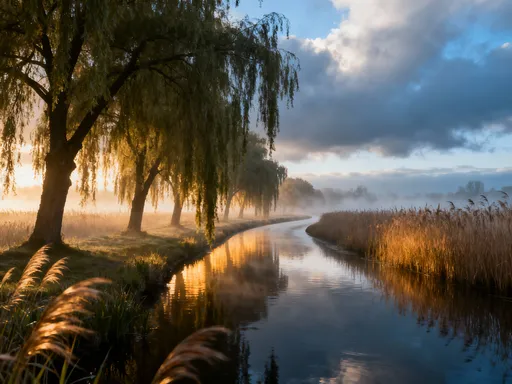
Have you ever felt a city breathe? Amsterdam isn’t just tulips and bicycles—it’s marshland humming with history, where windmills still whisper Dutch resilience. I wandered beyond the crowds and found willow-lined rivers, blooming wetlands, and villages rooted in harmony with water. This is nature shaped by culture, and culture shaped by nature—a living dialogue between land and people you can’t help but feel. More than a tourist destination, Amsterdam reveals itself as a testament to centuries of quiet negotiation with the elements, where every dike tells a story and every breeze carries memory. To truly know this city is to journey beyond its postcard canals into the rhythm of its surrounding landscapes.
The Rhythm of a City Built on Water
Amsterdam pulses with the quiet assurance of a place that has learned to live with uncertainty. Built on layers of peat and sand, much of the city rests below sea level, a fact that shapes not only its architecture but its collective consciousness. Unlike cities anchored in rock and certainty, Amsterdam exists in a state of deliberate balance—its foundations propped up by millions of wooden piles driven deep into the soft earth, its streets laid out along waterways that once served as both defense and lifeline. The famous canal belt, now a UNESCO World Heritage site, was originally designed for transport, flood control, and urban expansion, reflecting a mindset where planning is not optional but essential for survival.
This relationship with water is not merely infrastructural—it is existential. The Dutch have long accepted that they do not dominate nature but negotiate with it. Each high tide, each storm surge, is met with vigilance and preparation. The city’s rhythm follows the tides, the wind, and the seasonal shifts in water levels. Even today, modern sensors monitor subsidence and groundwater in real time, feeding data to municipal engineers who adjust pumping stations accordingly. This constant awareness has bred a culture of foresight, where long-term thinking is woven into policy, design, and daily life. It’s no accident that the Netherlands leads in climate adaptation research; the lessons were learned here, in the wetlands and dikes of the North Sea coast.
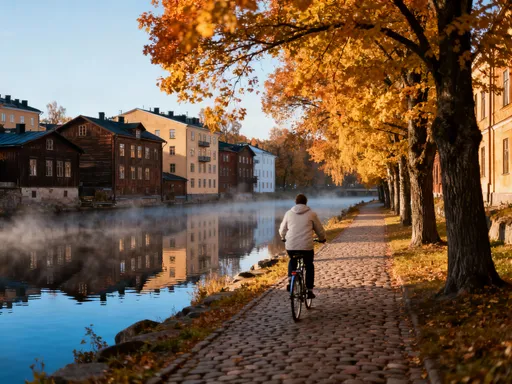
Yet for all its engineering precision, Amsterdam retains a sense of calm beauty. The canals shimmer under morning light, houseboats sway gently at their moorings, and cyclists glide across arched bridges without haste. There is a gentleness to the city’s pace, a reflection of its people’s deep understanding that control must be balanced with acceptance. The water will always be present—sometimes as a challenge, often as a companion. To walk through Amsterdam is to feel this duality: the tension between human ingenuity and natural force, resolved not in conquest but in coexistence.
The Dutch Relationship with Water: A Cultural Foundation
Water is more than an environmental condition in the Netherlands—it is a defining thread in the national identity. For over a thousand years, the Dutch have lived with the reality of rising tides and sinking land, developing one of the most sophisticated water management systems in the world. This mastery did not emerge overnight but evolved through centuries of communal effort, technical innovation, and institutional cooperation. At the heart of this system are the waterschappen, or regional water authorities, which date back to the 13th century. These local governing bodies manage dikes, drainage, and water quality, operating independently of municipal governments and funded by property-based taxes. Their longevity speaks to a cultural value: water management is not a political issue but a shared responsibility.
The philosophy behind Dutch water governance emphasizes prevention, collaboration, and long-term planning. After the devastating North Sea flood of 1953, which claimed over 1,800 lives, the Dutch launched the Delta Works—a series of massive storm surge barriers, dams, and sluices designed to protect the southwestern provinces. One of the most famous components, the Maeslantkering near Rotterdam, is a pair of floating gates that automatically close during extreme weather. These structures are not only feats of engineering but symbols of national resolve. They reflect a societal willingness to invest in protection decades ahead of projected threats, a mindset rooted in collective memory and scientific foresight.
This deep respect for water also influences Dutch aesthetics and social life. Public spaces along canals and rivers are designed for accessibility and comfort, encouraging people to gather near the water’s edge. The concept of gezelligheid—a Dutch term suggesting warmth, coziness, and togetherness—is often experienced in waterfront cafes, houseboat communities, and open-air markets. Even in winter, when canals sometimes freeze, locals gather for impromptu ice skating, turning potential disruption into celebration. This ability to find joy within constraints reveals a cultural strength: adaptability tempered with optimism.
Moreover, water education begins early. Schoolchildren learn about the water cycle, flood risks, and the importance of dune preservation through interactive exhibits and field trips. In Amsterdam, the Zuiderzee Museum and the Watersnoodmuseum offer immersive experiences that connect personal stories with national history. This cultural literacy ensures that each generation understands its role in maintaining the delicate equilibrium between land and sea. The result is a society that does not fear water but respects it, plans for it, and even celebrates it.
Beyond the City: Discovering Amsterdam’s Natural Periphery
Just a short bike ride from Amsterdam Central Station, the urban landscape begins to dissolve. Brick facades give way to open skies, reed beds, and the soft gurgle of slow-moving water. This transition marks the beginning of the city’s natural periphery—a network of managed wetlands, dunes, and polders that serve as both ecological buffers and recreational sanctuaries. These areas are not untouched wilderness; they are carefully maintained landscapes where human intervention supports biodiversity rather than disrupts it. They represent a different kind of beauty—one shaped by intention, seasonal rhythm, and quiet stewardship.
To the west lies the North Sea dune system, a narrow strip of sandy ridges and pine forests that protects inland areas from storm surges. These dunes are home to rare orchids, migrating birds, and herds of wild Konik horses introduced to mimic the grazing patterns of extinct wild equines. Early morning walks here reveal dew-covered spiderwebs strung between marram grass, the distant cry of oystercatchers, and the scent of salt and pine. The dunes are also a vital source of freshwater, as rainwater filters slowly through the sand, forming underground reservoirs that supply part of Amsterdam’s drinking water.
To the north, the IJsselmeer—a freshwater lake created by the enclosure of the Zuiderzee in 1932—offers sweeping vistas and rich birdlife. Formerly a saltwater inlet of the North Sea, the IJsselmeer was transformed by the construction of the Afsluitdijk, a 32-kilometer dam that tamed the waters and allowed for land reclamation. Today, its shallow shores attract thousands of migratory birds, including greylag geese, black-tailed godwits, and avocets. Along its coastline, fishing villages like Marken and Volendam preserve traditional wooden architecture and maritime customs, offering visitors a glimpse into a way of life shaped by water.
Further inland, the wetlands of Waterland present a quieter, more intimate landscape. This low-lying region, crisscrossed by narrow canals and footbridges, is dotted with historic farmhouses and grazing sheep. The land is so soft that wooden walkways are often necessary to traverse the soggy meadows. In spring, the fields flood deliberately to support wetland species and prevent soil subsidence—a practice known as “summer drying” reversed for ecological benefit. Lapwings, redshanks, and kingfishers thrive here, their calls echoing across the misty mornings. For travelers seeking stillness, Waterland offers a rare opportunity to move slowly, listen deeply, and witness the subtle cycles of a living landscape.
The Hoge Veluwe and Zuid-Kennemerland: Nature Reserves with a Human Touch
While not within Amsterdam’s city limits, Hoge Veluwe National Park and Zuid-Kennemerland Nature Reserve exemplify the Dutch approach to conservation: inclusive, accessible, and deeply integrated with cultural history. Both parks are within a two-hour journey from the city, making them ideal destinations for day trips that combine natural beauty with educational insight. More than preserved wilderness, they are landscapes where human presence is not excluded but thoughtfully incorporated—through cycling paths, wildlife corridors, and architectural landmarks that reflect a harmony between design and ecology.
Hoge Veluwe, located in the eastern Netherlands, spans over 5,000 hectares of forest, heathland, and sand drifts. Once a private hunting estate owned by the Kröller-Müller family, it was donated to the Dutch state in 1935 with the condition that it remain a public nature reserve. The park is home to the Kröller-Müller Museum, which houses one of the world’s largest collections of Van Gogh paintings, set within a forest clearing accessible only by foot or bicycle. This integration of art and nature is symbolic: beauty is not confined to galleries but experienced in the rustle of leaves, the silhouette of a red deer at dusk, or the sudden bloom of heather in late summer.
The park’s ecosystem is actively managed to maintain biodiversity. Controlled grazing by deer, sheep, and boar helps prevent overgrowth, while seasonal fires regenerate heathland vegetation. Visitors can rent white bicycles—provided free of charge at park entrances—to explore over 200 kilometers of marked trails. This emphasis on non-motorized access reflects a broader Dutch value: that nature should be enjoyed without dominating it. Even the museum’s architecture blends into the landscape, with low profiles and natural materials that minimize visual impact.
Zuid-Kennemerland, closer to Amsterdam near the coastal town of Zandvoort, offers a different but equally compelling experience. This 900-hectare reserve features dunes, grasslands, and a coastline that serves as a nesting ground for endangered terns and plovers. Like Hoge Veluwe, it originated as a private estate and was later preserved for public use. The park is famous for its wild dune sheep, whose grazing helps maintain open habitats for rare plants and insects. Boardwalks and viewing platforms allow visitors to observe wildlife without disturbing sensitive areas. In spring, the dunes explode with color as orchids, sea holly, and yellow horned poppies bloom in the sandy soil.
Both parks demonstrate that conservation in the Netherlands is not about creating isolated sanctuaries but about weaving nature into the fabric of everyday life. They are not locked away behind fences but opened through infrastructure that invites participation. Families picnic in designated zones, school groups conduct ecological studies, and photographers capture the quiet drama of dawn over the heath. This model of stewardship—where people are not visitors but participants—offers a powerful lesson for sustainable tourism worldwide.
Blooming Landscapes: The Story Behind the Tulips
The image of endless tulip fields stretching toward the horizon is iconic, but the reality behind the blooms is far more complex than postcard perfection. The famous Keukenhof Gardens attract millions each spring, yet the true heart of the bulb region lies in the working fields of North Holland, where farmers cultivate tulips, hyacinths, and daffodils as part of a centuries-old agricultural tradition. These fields are not permanent displays but rotating crops, integrated into a larger system of soil health and seasonal planning. After the spring bloom, the bulbs are harvested, and the land is planted with potatoes, carrots, or onions—a practice that prevents disease and maintains fertility.
Tulip cultivation in the Netherlands dates back to the 16th century, when the first bulbs were imported from the Ottoman Empire. By the 17th century, “tulip mania” gripped the Dutch elite, with single bulbs trading for the price of a house. While the speculative bubble eventually burst, the flower remained a staple of Dutch horticulture. Today, the Netherlands produces over 90% of the world’s commercial tulip bulbs, exporting billions annually. The industry is highly organized, with specialized cooperatives managing everything from breeding to packaging.
For local farmers, tulips are not just a commodity but a rhythm of life. Planting occurs in the fall, when millions of bulbs are machine-planted just before winter. The fields lie dormant under frost until late February, when green shoots begin to emerge. By mid-March, the first blooms appear, and by April, the countryside is awash in color—striped, fringed, and solid hues arranged in precise rows. Bees play a crucial role in pollination, and many farms maintain beehives to support both crop health and honey production. The blooming season lasts only a few weeks, after which the flowers are cut to redirect energy to the bulb. This brief window is what draws tourists, but for farmers, it’s just one phase in an annual cycle of care and renewal.
Visitors can experience this landscape responsibly by sticking to designated paths and avoiding trampling crops. Some farms offer pick-your-own tulip events or guided tours that explain the growing process. Others have converted parts of their land into walking trails or opened farm shops selling fresh produce and floral arrangements. These initiatives allow travelers to connect with the land without disrupting its function. More than a visual spectacle, the bulb fields represent a living tradition—one where beauty and utility coexist in balanced harmony.
Sustainable Mobility: How Bikes and Boats Shape the Experience
In Amsterdam, how you move shapes what you see. The city’s reputation as a cycling capital is well earned: over 60% of all trips within the city are made by bicycle, supported by more than 500 kilometers of dedicated bike lanes, traffic signals, and parking facilities. But cycling here is not just a mode of transport—it’s a cultural practice that fosters intimacy with the environment. Moving at human speed, cyclists notice details others miss: the pattern of bricks along a canal wall, the flutter of a kingfisher diving for fish, the scent of blooming chestnut trees in spring. This slow, engaged form of travel encourages mindfulness and connection.
The same principle applies to boating. While motorized canal tours cater to tourists, many locals and eco-conscious visitors opt for electric sloepen or pedal boats that glide quietly through Amsterdam’s waterways. These vessels produce no emissions and minimal noise, allowing passengers to hear the lapping of water, the creak of old wooden docks, and the calls of waterfowl. Beyond the city, rural canals and lakes are best explored by electric boat, which can navigate narrow channels without disturbing wildlife. Rental services in towns like Edam and Monnickendam offer self-guided trips through quiet polder landscapes, where herons stand motionless in shallow ditches and swans lead their cygnets through reed-lined channels.
This emphasis on low-impact mobility extends to regional travel. The Dutch rail system is efficient and widely used, with stations connected to bike-sharing programs that enable seamless transitions from train to trail. Many nature reserves, including Zuid-Kennemerland and the dunes near Noordwijk, are accessible by bike via the LF-routes—long-distance cycling paths that span the country. These routes are well-marked, well-maintained, and designed to minimize environmental disruption. Travelers who choose this mode of transport do more than reduce their carbon footprint; they deepen their experience of place.
The message is clear: moving slowly allows you to see more. When you’re not rushing from landmark to landmark, you begin to notice patterns—the way light changes over a field at dusk, the way villagers greet each other by name, the way wind shapes the grass along a dike. Sustainable mobility isn’t just about reducing harm; it’s about enhancing perception. In a world increasingly defined by speed and distraction, Amsterdam offers a different rhythm—one that invites you to pause, pedal, and pay attention.
Traveler’s Guide: Choosing Low-Impact, High-Value Experiences
For visitors seeking a meaningful connection with Amsterdam and its surroundings, the key lies in intentionality. Rather than chasing checklists of famous sights, consider building an itinerary around presence, respect, and participation. Start by renting a bicycle—ideally a traditional Dutch omafiets with a basket—and use it to explore beyond the city center. Head north to the village of Broek in Waterland, where centuries-old canal houses sit on wooden piles and footbridges connect quiet lanes. Visit in the early morning to see mist rise off the water and farmers tending their fields. Stop at a local bakery for stroopwafels or a farm stand for fresh asparagus in season.
Another rewarding destination is the NDSM Wharf, a former shipyard turned cultural hub on the north bank of the IJ River. Accessible by free ferry from Central Station, it features street art, upcycled performance spaces, and sustainable food markets. It’s a place where industrial history meets creative renewal, offering a glimpse into Amsterdam’s evolving identity. For nature lovers, guided wetland walks in the Waterland or Uithuizermeeden areas provide expert insight into local ecology. Led by naturalists, these tours often include birdwatching, plant identification, and discussions about water management practices.
Timing matters. Spring (April to May) is ideal for witnessing the tulip bloom and migratory bird arrivals, while autumn (September to November) offers crisp air, golden light, and the return of geese and swans. Summer can be busy, but early mornings and weekdays provide quieter access to popular spots. Whenever you visit, follow Leave No Trace principles: stay on marked paths, avoid feeding wildlife, and carry out all waste. Support local conservation by donating to organizations like Het Nederlandse Landschap or participating in citizen science projects like bird counts.
Finally, engage with local communities. Attend a village market, visit a working farm, or take a workshop on traditional crafts like wooden clog carving or lace-making. These experiences offer more than souvenirs—they foster mutual understanding and cultural exchange. When travelers approach Amsterdam not as a spectacle but as a living, breathing place, they become part of its ongoing story.
Conclusion: Where Culture and Nature Converge
Amsterdam’s true essence cannot be captured in a single photograph or summarized in a list of attractions. It is found in the quiet hum of a windmill at dawn, the creak of a wooden dock underfoot, the sight of sheep grazing on a rain-soaked dike. This city, and the landscapes that surround it, reveal a profound truth: that human culture and the natural world are not opposing forces but interwoven threads in a shared tapestry. The Dutch have not conquered the sea; they have learned to dance with it. They have not tamed the land; they have shaped it with care, precision, and humility.
For the thoughtful traveler, Amsterdam offers more than beauty—it offers perspective. It shows how resilience can be gentle, how innovation can serve tradition, and how communities can thrive by working with nature rather than against it. In an age of climate uncertainty and environmental degradation, these lessons are more relevant than ever. To visit Amsterdam is not just to see a city built on water, but to witness a philosophy of coexistence in action.
So come not only to admire, but to understand. Walk the dikes, cycle the polders, listen to the wind over the reeds. Let the rhythm of this place slow your steps and deepen your breath. In doing so, you don’t just experience Amsterdam—you carry a piece of its wisdom with you, long after you’ve left its shores.