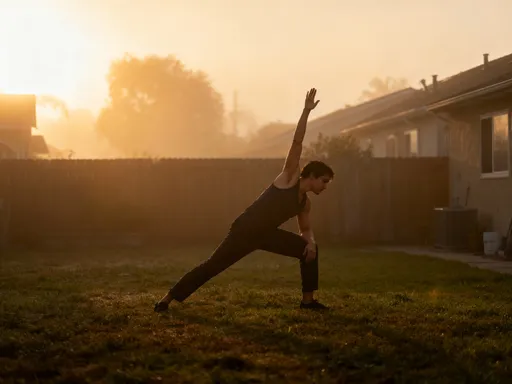
How I Finally Fixed My Slouch — Simple Moves That Actually Work
We’ve all felt it — the nagging back pain, the tired posture after hours at a desk. Poor alignment isn’t just about looks; it affects how we move, breathe, and feel every day. I struggled for years until I discovered small, science-backed exercises that made a real difference. This is not a miracle fix, but a practical guide to better posture through consistent, doable techniques that fit into real life. What began as an effort to stop slumping turned into a deeper understanding of how our bodies respond to modern living — and how simple, mindful movements can reverse years of strain. The journey to better posture is not about drastic changes, but about relearning what our bodies were designed to do.
The Hidden Cost of Bad Posture
In today’s world, many of us spend hours seated at desks, leaning over laptops, or looking down at phones. These everyday habits quietly reshape how we hold ourselves, often without us realizing it. The human body was not built for prolonged sitting or forward head positioning, yet these have become the norm. Over time, poor posture leads to a cascade of physical imbalances. The shoulders round forward, the head juts ahead of the spine, and the lower back loses its natural curve. These shifts may seem minor, but their cumulative effect is significant. Muscle groups that should support upright alignment become weakened, while others grow tight from constant overuse.
The consequences go beyond discomfort. Research shows that slouched posture can reduce lung capacity by up to 30%, making breathing less efficient and contributing to fatigue. When the ribcage is compressed, the diaphragm cannot move freely, which limits oxygen intake and affects energy levels throughout the day. Additionally, poor alignment places uneven pressure on spinal discs and joints, increasing the risk of chronic pain in the neck, shoulders, and lower back. What starts as occasional stiffness can evolve into persistent aches that interfere with daily activities, sleep, and overall well-being.
Perhaps the most insidious aspect of bad posture is how gradually it takes hold. It’s not a single moment of poor positioning that causes harm, but the repetition of small misalignments over months and years. A woman typing at her kitchen table may not notice how her shoulders creep forward until she experiences a sharp twinge when turning her head. A parent bending over strollers and car seats may not link their frequent headaches to the forward tilt of their neck. These patterns become so familiar that they feel normal — even when they are far from healthy. Recognizing these subtle signs is the first step toward change.
Long-term risks extend beyond musculoskeletal pain. Studies suggest that sustained poor posture may contribute to reduced mobility in later life, making simple tasks like reaching, bending, or walking more difficult. It can also affect balance, increasing the likelihood of falls among older adults. Furthermore, posture influences mood and confidence; individuals with slumped postures often report lower self-esteem and higher levels of stress. While it may seem surprising, the way we carry ourselves sends signals not only to others but to our own brains, shaping how we feel emotionally. Addressing posture is not vanity — it is an investment in long-term health, vitality, and quality of life.
Why Your Body Fights Good Alignment
Even when we try to stand up straight, our bodies often resist. The reason lies in how muscles adapt to repeated movements and positions. When certain postures become habitual, the nervous system treats them as the default, creating what is known as muscle memory. For example, hours spent hunched over a screen cause the chest muscles to shorten and tighten, while the upper back muscles weaken from disuse. The brain begins to interpret this imbalanced state as normal, making it feel unnatural — even uncomfortable — to sit or stand with proper alignment. This is why simply telling someone to “pull your shoulders back” rarely leads to lasting improvement.
Postural reflexes, which help maintain balance and stability, also play a role. These automatic responses rely on sensory feedback from muscles, joints, and the inner ear. When postural habits distort this feedback, the reflexes adjust accordingly, reinforcing poor alignment. For instance, if the head is consistently held forward, the body compensates by tightening neck extensors and overactivating upper trapezius muscles. Over time, this creates a self-perpetuating cycle: the tighter muscles pull the head further forward, which increases strain, which leads to more tension. Breaking this cycle requires more than willpower — it demands retraining both the muscles and the nervous system.
Another key factor is the difference between appearance and function. Someone may look upright in a photo but still lack true postural control. True functional alignment means the body can maintain balance with minimal effort, allowing joints to stack efficiently and muscles to work in harmony. It is not about forcing the body into a rigid position but enabling it to move and rest in a way that supports long-term health. A person might stand with their shoulders pulled back dramatically, but if their pelvis is tilted or their core is disengaged, the posture is not sustainable and may even increase strain elsewhere.
This explains why quick fixes fail. Simply standing taller for a few minutes does not undo years of adaptation. Lasting change requires consistent neuromuscular re-education — teaching the body to adopt new patterns through repetition and awareness. Just as learning to ride a bike takes practice, so does learning to carry oneself well. The goal is not perfection but progress: gradually replacing inefficient habits with ones that support strength, ease, and resilience. Understanding this process helps set realistic expectations and fosters patience, which is essential for success.
Foundational Moves: Where to Start
Improving posture begins with simple, low-effort exercises that reawaken underused muscles and reset movement patterns. Three foundational movements — chin tucks, scapular squeezes, and pelvic tilts — serve as the starting point for most people. These exercises are gentle, require no equipment, and can be done almost anywhere, making them ideal for busy lifestyles. Their power lies in consistency rather than intensity. Performing them daily, even for just a few minutes, helps recalibrate the body’s sense of alignment and builds the neuromuscular connections needed for lasting change.
The chin tuck targets forward head posture, one of the most common postural deviations. To perform it, sit or stand with your back against a wall if possible. Gently glide your head straight backward, keeping your eyes level and your chin parallel to the floor. Imagine creating a double chin without tilting your head up or down. Hold for 3–5 seconds, then release. Repeat 10 times, 2–3 times per day. Many people initially find this movement difficult or awkward, which indicates tightness in the suboccipital muscles at the base of the skull. Over time, regular practice reduces neck strain and improves head positioning during daily activities.
Scapular squeezes address rounded shoulders by activating the mid-back muscles, particularly the rhomboids and lower trapezius. Sit or stand with arms at your sides. Gently draw your shoulder blades together and downward, as if trying to hold a pencil between them. Avoid shrugging the shoulders toward the ears. Hold for 5 seconds, then release slowly. Perform 10–15 repetitions, 2–3 times daily. This movement helps counteract the chest-dominant posture caused by typing and phone use. It also enhances shoulder stability, which supports better arm function and reduces the risk of upper back discomfort.
Pelvic tilts retrain the core and restore the natural curve of the lower spine. Lie on your back with knees bent and feet flat on the floor. Gently rock your pelvis forward and backward, flattening the lower back against the floor and then arching it slightly. Move slowly and focus on engaging the abdominal muscles. Perform 10–15 repetitions, twice a day. This exercise improves awareness of pelvic position, which is crucial for spinal alignment. Many people unknowingly adopt a posterior pelvic tilt — tucking the tailbone under — which flattens the lumbar curve and contributes to low back pain. Relearning neutral pelvic alignment lays the groundwork for stronger, more balanced posture.
Common mistakes include rushing through the movements, holding the breath, or overdoing the motion. These exercises are not about force but control. Practicing them mindfully ensures proper muscle activation and prevents compensation patterns. Within a few weeks, many individuals notice subtle improvements: less neck stiffness, easier breathing, and a greater sense of ease when standing or walking. These small wins reinforce motivation and set the stage for more advanced work.
Building Strength for Lasting Support
Once foundational awareness is established, the next step is building endurance in the postural support system. This involves strengthening key stabilizing muscles that are often underactive due to sedentary habits. The deep neck flexors, lower trapezius, and transverse abdominis play critical roles in maintaining alignment, yet they are frequently overlooked in general fitness routines. Strengthening these muscles enhances neuromuscular control, allowing the body to sustain good posture without constant conscious effort.
Dead bugs are an excellent exercise for engaging the deep core while protecting the lower back. Lie on your back with arms extended toward the ceiling and knees bent at 90 degrees. Slowly extend one arm overhead while straightening the opposite leg, keeping the lower back pressed into the floor. Return to the starting position and repeat on the other side. Perform 8–10 repetitions per side, 2–3 sets. This movement challenges coordination and core stability, helping to prevent excessive arching of the spine during daily activities. It also promotes balanced muscle activation across the torso.
Bird-dogs target the entire posterior chain, including the glutes, spinal erectors, and shoulder stabilizers. Begin on hands and knees with a neutral spine. Extend one arm forward and the opposite leg backward, keeping hips level and core engaged. Hold for 3–5 seconds, then return to start. Alternate sides for 8–10 repetitions per side. This exercise improves balance and trains the body to move in a coordinated way, which supports upright posture during walking and lifting. It also reduces reliance on superficial muscles that often compensate for weak stabilizers.
Wall angels help retrain upper back and shoulder alignment. Stand with your back against a wall, feet slightly forward. Press your head, upper back, and arms (elbows bent at 90 degrees) against the wall. Slowly slide your arms upward while maintaining contact, then lower them back down. Perform 10–12 repetitions. This movement strengthens the serratus anterior and lower trapezius while stretching tight chest muscles. It is especially beneficial for those who spend time at computers, as it counters the internal rotation of the shoulders.
Plank variations build full-body endurance and core stability. Start with a basic forearm plank, supporting your weight on forearms and toes while keeping the body in a straight line. Hold for 20–30 seconds, gradually increasing duration as strength improves. Avoid letting the hips sag or rise too high. For added challenge, try side planks or plank marches (lifting one knee at a time). These exercises reinforce proper alignment under load, preparing the body for real-world demands. Modifications, such as dropping to the knees, allow individuals at all fitness levels to participate safely.
All these exercises emphasize control, breath, and form over speed or repetition count. They should never cause pain. When performed regularly, they build the muscular endurance needed to maintain alignment throughout the day. Over time, this translates into less fatigue, improved movement efficiency, and greater confidence in physical ability.
Stretching What’s Tight — Without Overdoing It
While strengthening weak muscles is essential, addressing tightness is equally important. Chronic poor posture often leads to shortened muscles in predictable areas: hip flexors, pectorals, and upper trapezius. These tissues pull the body out of alignment, making it harder to adopt better posture even with strong supporting muscles. Gentle, consistent stretching helps restore balance, but it must be done mindfully to avoid injury.
The hip flexor stretch targets muscles that shorten from prolonged sitting. Kneel on one knee with the other foot forward in a lunge position. Gently shift your weight forward until you feel a stretch in the front of the hip of the kneeling leg. Keep your torso upright and engage your glutes to deepen the stretch safely. Hold for 30 seconds, repeat 2–3 times per side. This stretch helps correct anterior pelvic tilt, which contributes to lower back strain.
Chest stretches counteract rounded shoulders. Stand in a doorway with arms bent at 90 degrees and hands on the frame. Step one foot forward, allowing your chest to move through the doorway. Feel the stretch across the front of the shoulders and chest. Hold for 30 seconds, repeat 2–3 times. This opens the pectoral muscles, allowing the shoulders to sit in a more neutral position.
The upper trapezius stretch relieves tension in the neck and shoulders. Sit or stand tall. Gently tilt your head to one side, bringing your ear toward your shoulder. For a deeper stretch, use the opposite hand to apply light pressure. Hold for 30 seconds, switch sides. Avoid raising the opposite shoulder; keep it relaxed. This stretch reduces strain from phone use and stress-related tension.
Child’s pose is a restorative stretch that lengthens the spine and releases the lower back. Kneel on the floor, sit back on your heels, and extend your arms forward, lowering your forehead to the ground. Breathe deeply and allow your back to relax. Hold for 1–2 minutes. This gentle stretch helps reset spinal alignment after long periods of sitting.
Neck side bends and chin tucks, when combined, improve cervical mobility. Perform slow, controlled movements, holding each stretch for 15–20 seconds. Avoid bouncing or forcing the stretch. Flexibility gains come gradually, and overstretching can trigger protective muscle tightening. The goal is not extreme range of motion but functional mobility that supports comfortable, aligned posture.
Stretching should never be painful. Discomfort is normal, but sharp or radiating pain is a signal to stop. Performing these stretches daily, especially after prolonged sitting, helps maintain the improvements gained through strengthening exercises. Over time, increased flexibility allows the body to move more freely and adopt better alignment with less effort.
Daily Habits That Reinforce Progress
Posture improvement extends beyond exercise — it thrives on daily habits. Even the most effective routines lose impact if counteracted by poor lifestyle patterns. Small environmental and behavioral changes can significantly reinforce progress. One of the most impactful adjustments is optimizing workspace ergonomics. Positioning the computer screen at eye level prevents forward head posture. Using a chair with lumbar support helps maintain the natural curve of the lower back. Footrests or adjustable desks allow for better pelvic alignment, especially during long work sessions.
Integrating movement throughout the day is equally important. Taking short standing or walking breaks every 30–60 minutes interrupts prolonged sitting and resets posture. Simple “movement snacks” — like shoulder rolls, deep breathing, or walking with purpose — keep muscles active and circulation flowing. These micro-movements prevent stiffness and reinforce neuromuscular patterns. Setting reminders or using activity trackers can help build this habit over time.
Sleep position also influences spinal alignment. Sleeping on the back or side with proper pillow support maintains neutral spine curvature. Avoiding stomach sleeping reduces neck strain. Supportive mattresses and pillows contribute to better rest and reduced morning stiffness. Footwear choices matter too — shoes with adequate arch support and a low heel promote balanced posture from the ground up.
Walking with intention — engaging the core, keeping shoulders relaxed, and looking forward — turns a routine activity into a posture-building opportunity. Over time, these habits become second nature, reducing the need for constant correction. The goal is not to be perfect but to create an environment and routine that naturally support better alignment.
Tracking Changes and Staying Consistent
Measuring progress helps maintain motivation and provides feedback on what’s working. Simple self-checks can reveal improvements before they’re fully visible. The wall test — standing with heels, hips, shoulders, and head against a wall — offers a quick assessment of alignment. While few people can touch the wall with all points simultaneously, noticing reduced gaps over time indicates progress. Taking periodic posture photos from the front, side, and back allows for visual tracking and helps identify asymmetries.
Other signs of improvement include reduced pain, easier breathing, and greater ease in movement. Tasks like reaching overhead, turning the head, or standing up from a chair may feel smoother. These functional gains are often more meaningful than appearance alone. Improvement timelines vary, but most people notice subtle changes within 4–6 weeks of consistent practice. Significant shifts may take 3–6 months, depending on individual factors.
Setbacks and plateaus are normal. Life disruptions — travel, illness, or stress — can temporarily undo progress. Rather than viewing these as failures, they are opportunities to recommit. Adjusting routines, adding variety, or revisiting foundational exercises can reignite progress. Listening to the body and avoiding overexertion prevents burnout and injury.
Consistency is more important than perfection. Even 5–10 minutes of daily practice yields better results than occasional longer sessions. Framing posture work as a lifelong commitment to well-being, rather than a short-term fix, fosters sustainable change. Celebrating small victories — like sitting taller during a meeting or walking without discomfort — reinforces positive behavior.
Improving posture isn’t about perfection — it’s about awareness, small actions, and daily commitment. These techniques aren’t flashy, but they’re proven, safe, and deeply effective when practiced consistently. By understanding your body’s needs and responding with smart movement, you build more than better alignment; you gain energy, confidence, and resilience. Always consult a healthcare provider before starting new routines, especially with existing conditions. Your journey to standing taller starts not with a single fix, but with a sustainable shift in how you move through life.